That sharp, sudden jolt when you sip iced water or bite into ice cream—if you've experienced it, you're not alone. Tooth sensitivity affects millions of people, but the good news is that it's usually treatable. Let's dive into why it happens and what you can do about it.
What Is Tooth Sensitivity?
Tooth sensitivity (also called dentin hypersensitivity) occurs when the protective enamel on your teeth wears down or when gums recede, exposing the underlying layer called dentin.
Dentin contains thousands of tiny tubules (channels) that lead to the tooth's nerve center. When exposed, these tubules allow hot, cold, sweet, or acidic substances to reach the nerves, causing discomfort or sharp pain.
Common Causes of Tooth Sensitivity
Understanding the root cause is key to finding the right solution. Here are the most common culprits:
1. Enamel Erosion
Enamel can wear down from:
- Acidic foods/drinks: Citrus fruits, soda, wine, sports drinks
- Acid reflux/GERD: Stomach acid erodes enamel
- Vomiting: Frequent vomiting (from illness or eating disorders)
2. Gum Recession
When gums pull back from teeth, they expose the tooth root, which isn't protected by enamel. Causes include:
- Aggressive brushing
- Gum disease (gingivitis/periodontitis)
- Aging
- Genetics
3. Tooth Grinding (Bruxism)
Grinding or clenching your teeth—especially at night—wears down enamel and can crack teeth, leading to sensitivity.
4. Recent Dental Work
It's normal to experience temporary sensitivity after:
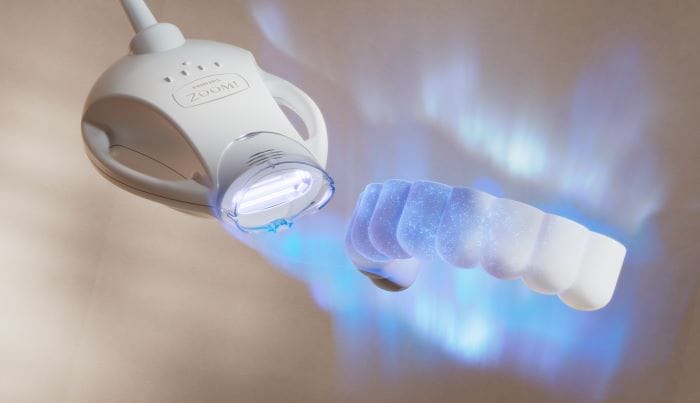
- Teeth whitening
- Fillings or crowns
- Deep cleanings
- Root planing
This usually resolves within a few days to weeks.
5. Cracked or Damaged Teeth
Cracks, chips, or broken fillings expose dentin and can trap bacteria, leading to inflammation and sensitivity.
6. Overbrushing
Brushing too hard or using a hard-bristled toothbrush can wear down enamel and cause gum recession over time.
7. Tooth Decay
Cavities expose the inner layers of your tooth, causing sensitivity and pain.
At-Home Solutions for Sensitive Teeth
Before seeking professional treatment, try these effective at-home remedies:
1. Switch to Desensitizing Toothpaste
Desensitizing toothpastes contain compounds (like potassium nitrate or stannous fluoride) that block pain signals from reaching the nerve.
How to use:
- Use twice daily for at least 2 weeks (results aren't instant)
- Apply a small amount directly to sensitive areas before bed
- Don't rinse immediately—let it sit for a few minutes
Recommended brands: Sensodyne, Colgate Sensitive, Crest Sensitivity
2. Use a Soft-Bristled Toothbrush
Hard bristles can damage enamel and gums. Always choose soft or extra-soft bristles, and brush gently in circular motions—not back-and-forth scrubbing.
3. Avoid Acidic Foods and Drinks
Limit or avoid:
- Citrus fruits and juices
- Soda (regular and diet)
- Wine
- Vinegar-based foods
- Tomato sauce
If you do consume them, rinse with water immediately and wait 30 minutes before brushing.
4. Use Fluoride Mouthwash
Fluoride strengthens enamel and can reduce sensitivity. Use a fluoride mouthwash daily (alcohol-free options are gentler).
5. Avoid Teeth Whitening (Temporarily)
If you have sensitivity, take a break from whitening products. They can temporarily increase sensitivity by opening enamel pores.
6. Wear a Night Guard (If You Grind)
If you grind your teeth at night, a custom night guard can protect enamel and reduce sensitivity. Ask your dental professional about getting one fitted.
Professional Treatments for Sensitive Teeth
If at-home methods don't help, professional treatments can provide relief:
1. Fluoride Varnish
A dental professional can apply a high-concentration fluoride varnish to strengthen enamel and block exposed tubules. This is quick, painless, and effective.
2. Dental Bonding
For exposed roots or worn enamel, tooth-colored resin can be applied to cover sensitive areas.
3. Gum Grafting
If gum recession is severe, a periodontist can perform a gum graft—taking tissue from another part of your mouth to cover exposed roots.
4. Root Canal (Last Resort)
If sensitivity is severe and nothing else works, a root canal may be necessary to remove the nerve. This is rare and only for extreme cases.
How to Prevent Tooth Sensitivity
Prevention is always better than treatment. Here's how to protect your teeth:
- Brush gently with a soft-bristled brush
- Use fluoride toothpaste daily
- Floss daily to prevent gum disease
- Limit acidic foods and rinse after consuming them
- Don't brush immediately after acidic foods (wait 30 min)
- Visit your dental hygienist every 6 months for cleanings
- Wear a night guard if you grind your teeth
- Stay hydrated—saliva protects enamel
When to See a Dental Professional
See a dentist or dental hygienist if:
- Sensitivity lasts more than 2 weeks despite using desensitizing toothpaste
- Pain is severe or localized to one tooth
- You notice swelling, bleeding gums, or discoloration
- Sensitivity interferes with eating or drinking
- You suspect a cavity, crack, or infection
The Bottom Line
Tooth sensitivity is common, but it doesn't have to control your life. With the right care—both at home and from a professional—you can enjoy your favorite foods and drinks without pain. Start with desensitizing toothpaste and gentle brushing, and if symptoms persist, don't hesitate to seek professional help.
Struggling with Sensitive Teeth?
Book a consultation to identify the cause and get personalized solutions for lasting relief.