Teeth whitening is one of the most popular cosmetic dental treatments, but it's also surrounded by misinformation. As a registered dental hygienist, I hear the same myths over and over. Let's set the record straight and separate fact from fiction.
Myth #1: Whitening Damages Enamel
The Truth: When done correctly, professional teeth whitening does NOT damage your enamel. The active ingredient in most whitening treatments—hydrogen peroxide or carbamide peroxide—works by breaking down stain molecules without harming the tooth structure.
However, overuse of whitening products or using non-professional products incorrectly can lead to temporary sensitivity. That's why it's crucial to:
- Use products as directed
- Consult with a dental professional before starting any whitening regimen
- Choose professional-grade products over generic drugstore options
Myth #2: All Whitening Products Are the Same
The Truth: Not all whitening products are created equal. There's a significant difference between:
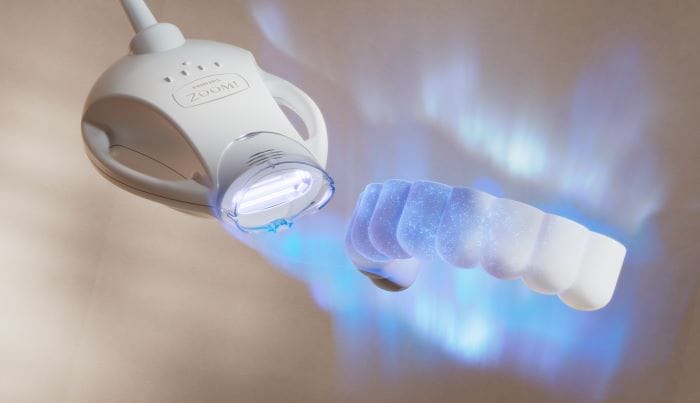
- Professional in-office treatments (like Philips Zoom) – highest concentration, fastest results, supervised by professionals
- Professional take-home kits – custom-fitted trays with professional-grade gel
- Over-the-counter strips/trays – lower concentration, generic fit, slower results
- Whitening toothpaste – surface stain removal only, no actual bleaching
Professional treatments offer:
- Custom-fitted trays for even whitening
- Higher concentration of whitening agents (safely monitored)
- Faster, more dramatic results
- Professional guidance to minimize sensitivity
Myth #3: Whitening Works on All Stains
The Truth: Whitening treatments are most effective on extrinsic stains (surface stains from coffee, tea, wine, smoking) but have limited effects on intrinsic stains (internal discoloration from medication, trauma, or aging).
Whitening works best on:
- Yellow or brown surface stains
- Age-related yellowing
- Coffee, tea, and wine stains
Whitening has limited effect on:
- Gray or blue-toned discoloration
- Tetracycline staining (antibiotic)
- Fluorosis (excess fluoride during tooth development)
- Crowns, veneers, or fillings (these don't whiten!)
Myth #4: Results Last Forever
The Truth: Whitening results are NOT permanent. How long they last depends on your habits:
Results typically last:
- 6 months to 2 years with good maintenance
- Shorter if you frequently consume staining foods/drinks
- Longer with proper oral hygiene and touch-ups
To maintain your results:
- Limit coffee, tea, red wine, and dark sodas
- Use a straw for staining beverages
- Brush or rinse after consuming staining foods
- Avoid smoking
- Use whitening toothpaste 1-2 times per week
- Schedule touch-up treatments every 6-12 months
Myth #5: DIY Methods Are Just as Effective
The Truth: DIY whitening methods (baking soda, activated charcoal, lemon juice, apple cider vinegar) are NOT recommended and can actually damage your teeth.
Why DIY methods are risky:
- Baking soda – abrasive, can wear down enamel over time
- Activated charcoal – too abrasive, no scientific evidence of whitening
- Lemon juice/vinegar – acidic, erodes enamel, causes sensitivity
- Hydrogen peroxide (household) – not safe for oral use, can irritate gums
The Bottom Line
Teeth whitening is safe and effective when done properly under professional guidance. Don't fall for myths or risky DIY methods—invest in your smile with proven, professional treatments.
At Krystal Dental Hygiene, we offer Philips Zoom! Whitening—the gold standard in professional teeth whitening. Get dramatically whiter teeth in just one visit, with results that last.
Ready for Your Brightest Smile?
Book a professional whitening consultation today and see the difference professional care makes.